Insights
How to Sell Technical SEO to Decision Makers

Keywords were once the holy grail of search marketing success. Simply publishing content on your website with the right keywords meant you were on your way to getting more traffic organically from Google, Bing, and other search engines.
Make no mistake, keywords are still a pillar of search performance. However, Technical SEO now has become equally important for businesses as search engines focus on ranking only the highest quality web experiences at the top of search results.
Seeing the Potential Opportunities
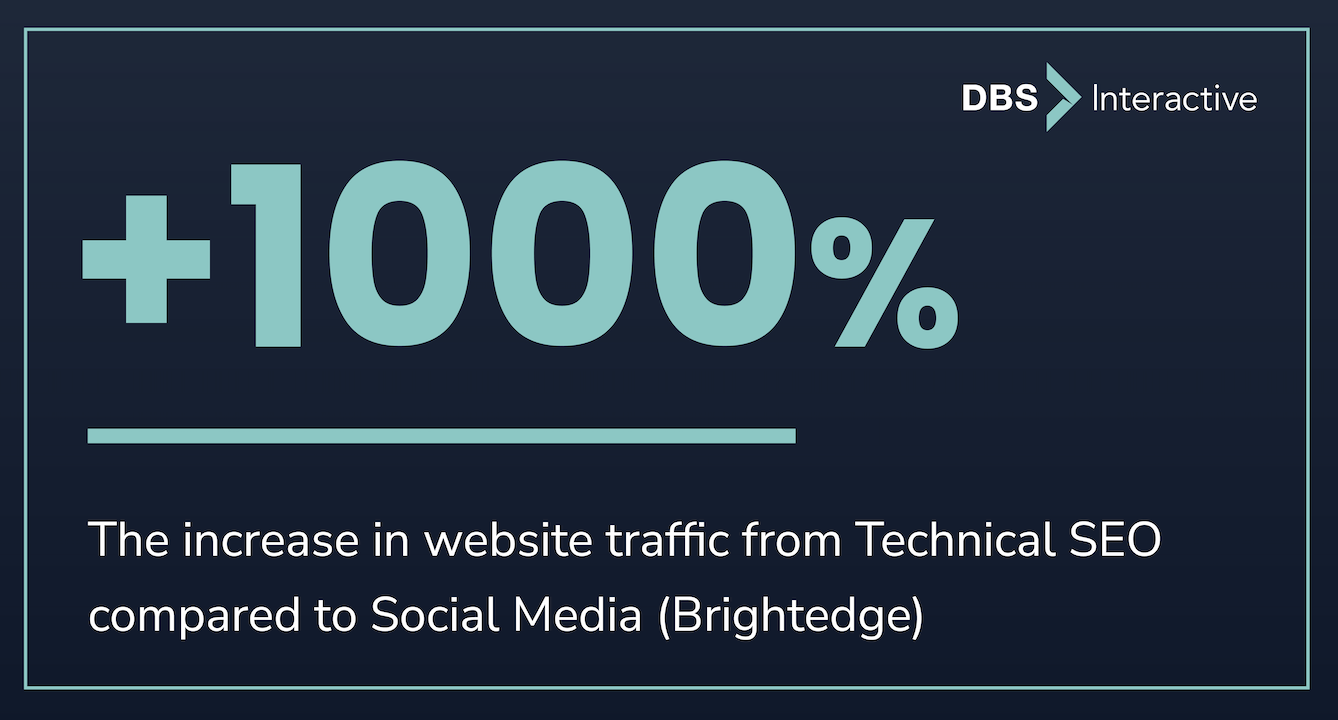
The power and opportunity of Technical SEO can’t be overstated–and there is considerable opportunity for businesses.
Nearly two-thirds of websites in the B2B manufacturing rank below Google’s highest tier of search performance metrics, based on a DBS Interactive study of 200 websites across various industrial sectors.
That means B2B companies who prioritize and implement technical SEO with more urgency will have the advantage when they gain more traffic and awareness in search by ranking above competitors–the majority of which are still lagging behind current best practices for search performance.
Briefly: What is "Technical SEO"?
Unlike content and keywords that can be seen on the page, technical SEO happens “under the hood” of your website.
Think of a high-performance sports car, and the difference between applying a coat of paint compared to working on the engine, chassis, suspension, and electronics that go into it.
Simply put, technical SEO refers to helping search engines crawl your website and understand your content so it can be indexed properly. Google factors these best practices and your website’s technical performance into its search rankings.
Technical SEO also brings you into compliance with Google’s thresholds for Core Web Vitals, which quantify your website’s ability to deliver a great experience for site visitors – i.e. your potential customers.
But all that’s quite a mouthful if you’re trying to communicate the urgency and the need for technical SEO to the C-suite.
So here’s how to sell the opportunity up the line.
Paint a Picture For Decision Makers
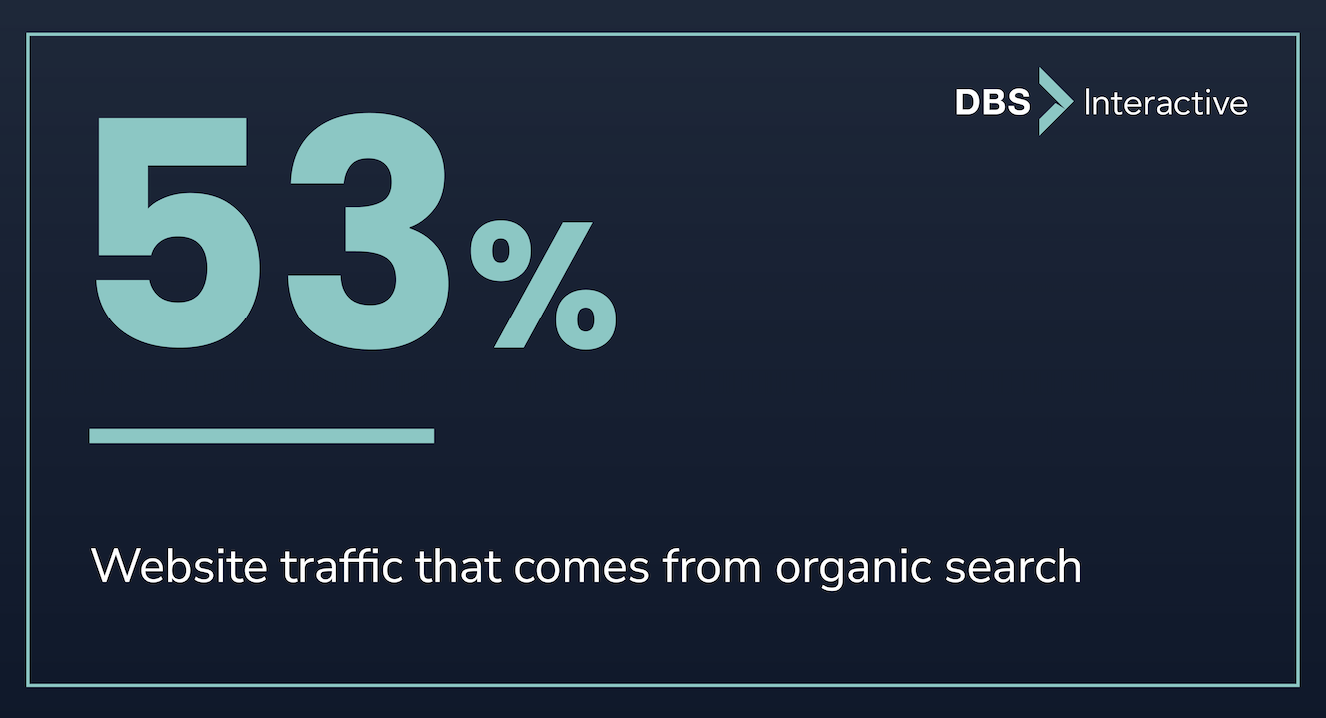
Explaining Technical SEO is challenging. There are no two ways around it.
So paint a picture first, then get into the details.
Back to the Sports Car Analogy
A high-performance sports car needs a lot of work and maintenance to perform well. Engineers and mechanics ensure the engine, suspension, and every component that affects speed and handling works together. Optimizing just one component will not have the same impact on performance as tuning them all up.
A high-performance website works in much the same way, and requires similar attention. That's because websites with eye-catching visual designs will not accomplish much without technical SEO at the foundation. They're flashy cars with no juice–sure they look nice in a showroom, but they aren't winning any races for you.
Similarly, Google evaluates website performance and content based on how it delivers a holistic user experience, or "Page Experience"–not just the words on the page, or how pretty the site’s design looks. That means measuring page speeds, security, and interactivity on top of keywords.
How to Tell the Story of Technical SEO
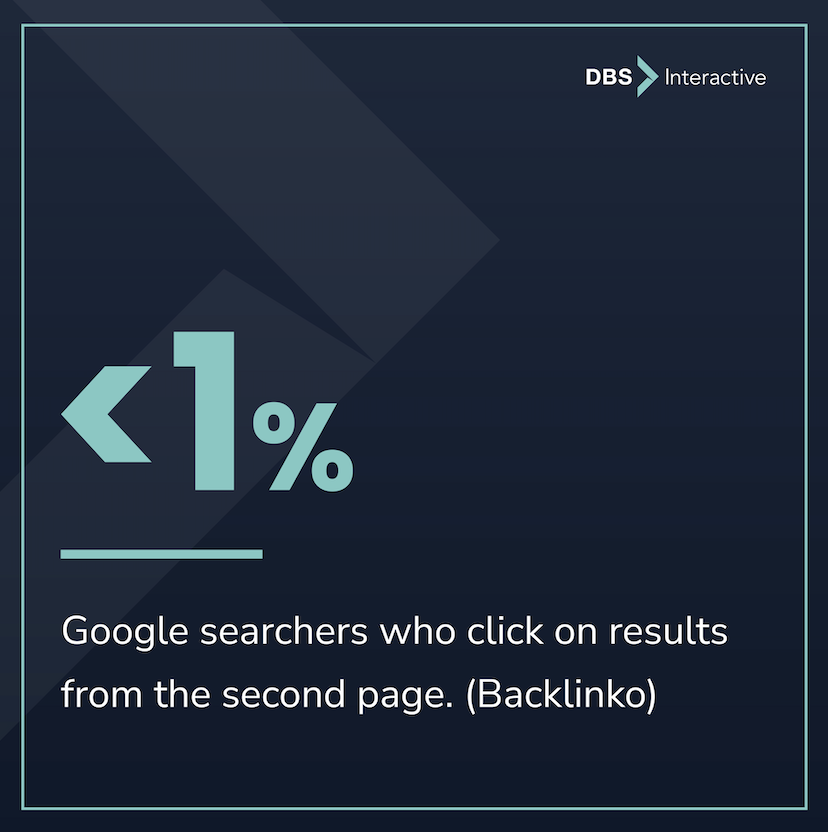
Without investing in Technical SEO, it’s unlikely your website can reach the top positions in online search results. That’s why it plays an important role in supporting your company’s goals to maximize brand exposure and grow demand.
- New Customers Come to You - When search rankings improve and traffic to your website increases as a result, you get higher engagement, elevated brand visibility, and more qualified sales leads knocking on your digital front door. That’s music to your C-Suite’s ears.
- User Experience is Brand Experience - A solid Technical SEO foundation means your website pages load quickly, have no broken links, and offer a flawless browsing experience. Laggy websites feel like being on infinite hold with customer service. A better user experience (UX) contributes to better branding, more return visits, and more word-of-mouth promotion.
- Long-term ROI vs. Ongoing Expense - PPC strategies only work as long as you keep pouring more money into the advertising platform. Meanwhile, organic SEO only requires a fraction of your typical paid advertising budget to keep bringing in search traffic and generating leads.
Can You Do Technical SEO In-House?
You may have a talented in-house development team, but to fully accomplish technical SEO you need much more than web developers.
Just like you depend on automotive designers, engineers, and mechanics to develop and maintain a high-performance car, "tuning up" your website requires a team of experts with diverse skill sets.
Your website needs this breadth of expertise if you want it to stay in the race against competitors who are aggressively targeting the same search audiences with their content and marketing campaigns.
The Basics of a Technical SEO Strategy
The following overview of Technical SEO highlights essential work in maintaining high standards. Experts know how to go beyond these tactics to squeeze every drop of performance juice from your website:
- Crawler access: Ensures search engine crawlers can easily access and understand your website's content, structure, and navigation.
- Site architecture: Makes it easier for users and search engines to understand the website’s content and purpose.
- Page speed: Page loading times negatively affect user experience and lead to higher bounce rates.
- Mobile optimization: Ensures your site meets the needs and expectations of users browsing the site on mobile devices.
- URL structure: Helps search engines better understand the purpose and contents of your website by maintaining URLs with a logical structure and hierarchy.
- Indexability: Ensures that all website pages you want to be seen in search engine results are indexable by search engines, and that all others have "no-index" directives.
It’s About More Than Just Code
Technical SEO goes beyond just optimizing page speeds or fixing broken links. It requires knowing the latest best practices in web and mobile UX, and how the whole digital ecosystem works together for search engine performance.
- Keyword-Optimized Content – Content powers the core of any SEO strategy, and each content piece should have its own keyword strategy–otherwise, you'll risk cannibalizing your own content in search results. Without a marketing team strategically producing high-quality content with appropriate keywords, your efforts to optimize technical performance will be wasted.
- Interactive Content – Most web developers know how to optimize website pages, but many are not capable of optimizing more elaborate digital experiences and interactive content pieces, such as customized product builders or dynamic infographics–especially when the design calls for intricate visuals and responsive interface elements.
- Monitoring Search Engine Updates – Staying current on the latest technical SEO best practices means keeping up with frequent search engine algorithm updates that are announced and released by Google and Bing. Each major update shifts rankings and requires ongoing analysis and adaptation. That takes away time your team can use for other strategic work.
You Need Real Website Accessibility
Whether businesses know it or not, governments around the world expect business websites to be accessible to all users. Most have made website accessibility a legal requirement, including the US, Canada, EU, and many others across the globe.
It's a big reason why website accessibility has now become part of Google’s search performance criteria. But not all web accessibility is created equal.
Many companies will be tempted to take a shortcut and use web accessibility "tools" that simply put a layer of software on top of the existing website, with controls for changing font size, contrast, and more. These tools actually don't solve your problem or make you compliant on their own, and in fact (oh the irony!) they actually often introduce new accessibility issues.
True website accessibility is a constantly evolving discipline that is beyond the capabilities of most web developers or software. We should know–we are members of the World Wide Web Consortium (W3C) which develops standards for the internet, including the Web Content Accessibility Guidelines (WCAAG) that influence legislation for website accessibility worldwide.
Maintaining web accessibility means keeping up with all changes to the WCAG, as well as monitoring legal developments as international laws continue to add and evolve their digital accessibility requirements. It also means constant auditing and remediation will be needed to keep the website in compliance.
How Your ROI Justifies The Costs
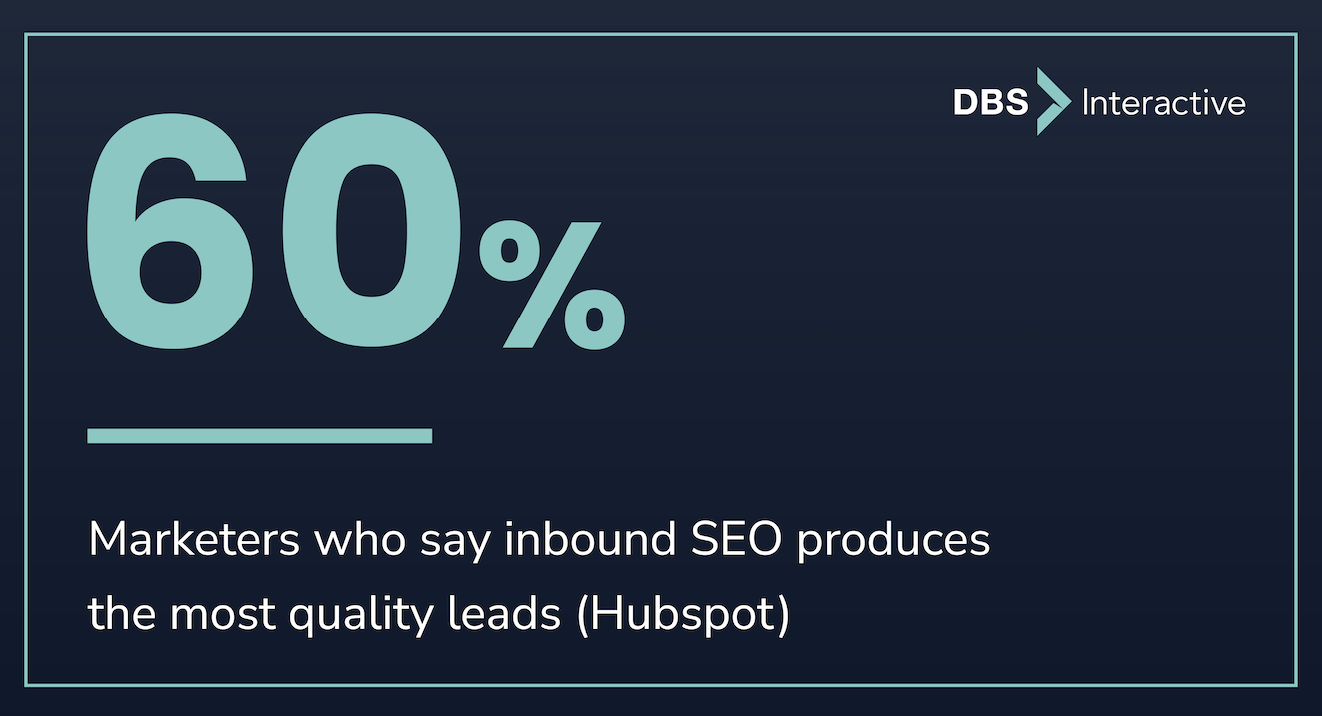
The value of technical SEO to your business depends on how you measure ROI. For B2B companies, the value of a website is usually measured by the awareness it earns and how well it generates new business leads.
To make the investment in technical SEO make business sense, you can calculate costs against the increased website traffic and impressions earned when your efforts result in higher search rankings. The idea is your increase in search performance will produce an equivalent increase in the number of leads generated.
You can calculate the expense against the average value of increased leads. Once this is determined, you will better understand how investments in technical SEO elevate your bottom line results.
A Rare Combination of Digital Expertise
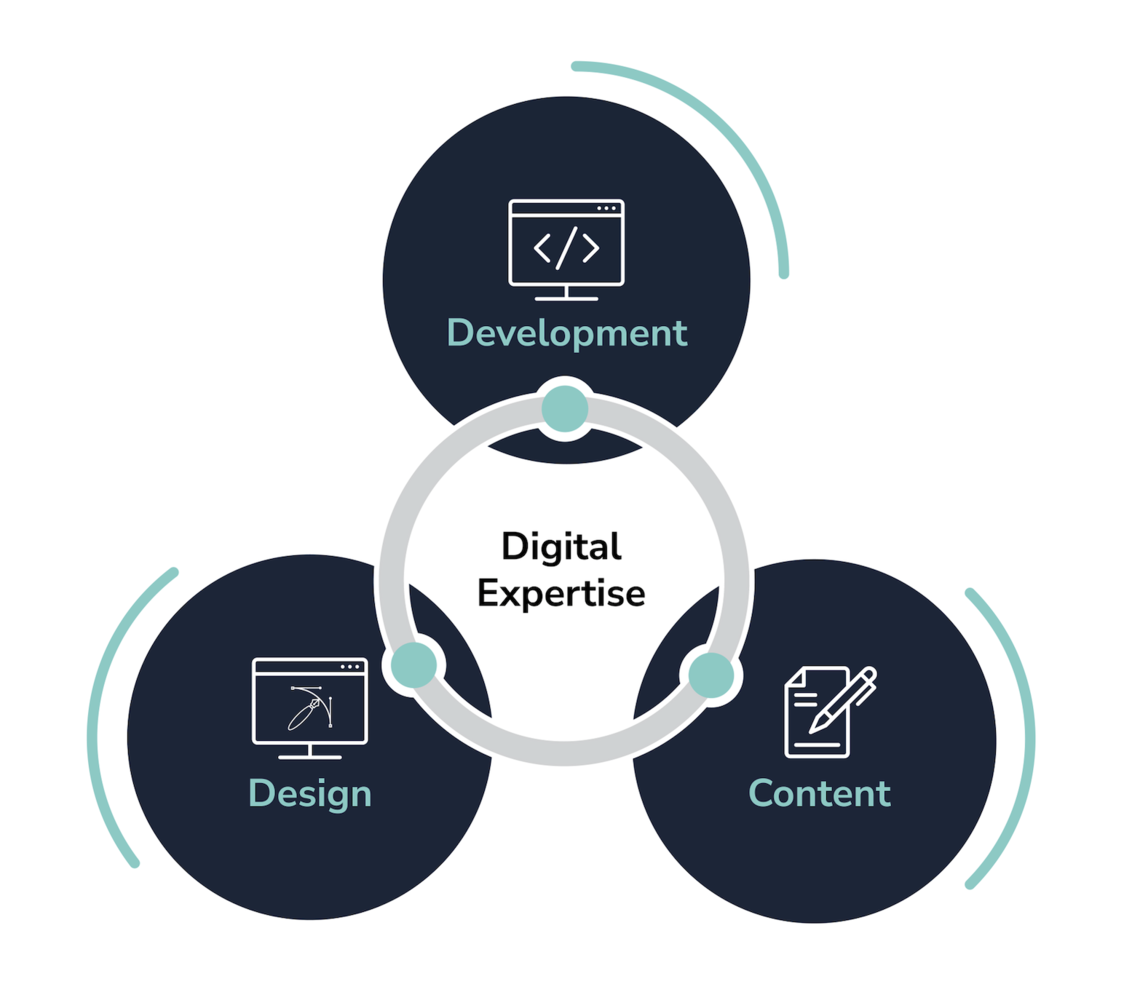
The comprehensive work that powers technical SEO requires frequent attention and a web team with distinct skill sets focused on niche areas of web development, design, and content marketing. Building an in-house team of this caliber to perform the work would not be cost-effective.
Instead, you can partner with a digital agency (like us) that brings in a team of experts who specialize in every complex aspect of technical SEO and the digital ecosystem surrounding your website.
This is an important distinction when evaluating an agency partner for website projects. Typical agencies may promote SEO expertise, yet lack development that can deliver results you need. Conversely, another agency may showcase their development and design chops, yet they’ll need outside help to understand web accessibility.
Get Expert Help from an Agency Partner
My agency has spent over 20 years building, tuning, and maintaining high-performance website engines to generate more leads and awareness for businesses. B2B manufacturing clients like Kao Collins, Methods Machine Tools, and others have achieved considerable growth through investments in Technical SEO and digital marketing.
Reach out if you would like a free evaluation of your website to identify opportunities for improving performance.
Related Insights

Blogs

Blogs

Blogs