Insights
Embracing Failure | Setbacks Shaped My Resilience and Strategy
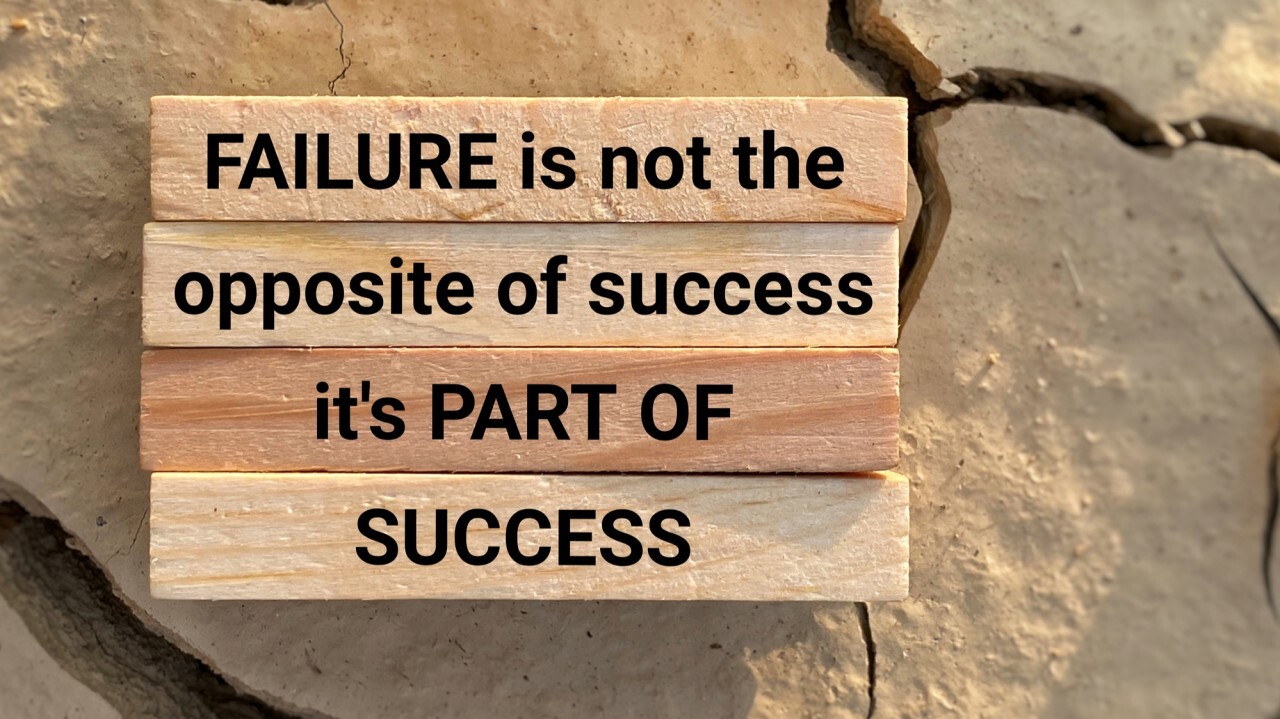
No one gets it right every time.
Success isn’t about staying on your feet. It’s about how you rise after the fall. Every setback is a lesson and a chance to get sharper, braver, and more determined.
Failure sparks progress.
Learning to Pivot Through Adversity
Every entrepreneur faces moments that test their resolve. For me, the early days of business felt like a daily restart, chasing trends, working with clunky tools, and pivoting to keep the lights on. We started as a Microsoft shop, but as the web evolved, we wore ourselves out trying to keep up.
Flash was the next big thing, that is, until Google wouldn't index it, and the platform's high bandwidth requirement became a barrier.
The lesson? Trends are fleeting, but adaptability is essential.
Personal setbacks ran just as deep. I launched my business with nothing left to lose, battling major surgeries and mobility challenges. There were days when just getting back to clients felt impossible. But I refused to let internal or external circumstances dictate my attitude or progress.
Stubbornness, it turns out, can be a superpower.
Strategic Risk-Taking and Business Evolution
Entrepreneurship is a constant exercise in adaptation.
The 2008 recession hit hard: work dried up, but commitments to employees remained. I mortgaged my house and dipped into retirement savings to keep the team together.
That crisis forced us to take stock of our strengths and eventually pivot toward industries like manufacturing and healthcare, areas where we could truly stand out.
Today, the rise of AI and organic search is the best opportunity I’ve seen in my career.
Small companies can now achieve brand recognition without massive budgets.
At DBS Interactive, we prove you don't need a giant budget to make a huge impact. Just look at Mighty Small Homes. In a market dominated by big spenders, we helped this small company punch way above its weight, earning top-of-Google rankings for over a thousand high-value keywords.
That's not luck; it's smart, strategic work.
We didn't gamble. Instead, we tested, measured, and refined every move. With DBS by their side, Mighty Small Homes became the David that outsmarted the Goliaths, proving that small businesses can win big with the right strategy.
Walking the Talk
After pivoting from Microsoft, we built our foundation on open-source platforms: WordPress first, then Drupal and Magento. I quickly realized that one size doesn't fit all, especially for enterprise clients who need flexibility. So, we expanded our tech stack to include Craft, Statamic, or even purely custom solutions like Laravel, giving clients options and building in redundancy.
Here’s the thing: I never ask clients to try something we haven’t tested ourselves. The staff probably gets tired of hearing me say, “We have to eat our own dog food.” But it matters.
We build and test on our own sites first.
I’ve learned never to slam a door shut on a decision. Even now, we’re building intranets with Microsoft SharePoint. What worked yesterday might not be the best fit tomorrow. I make it a habit to revisit decisions and ask if our criteria still hold. The tech landscape changes fast—so should our thinking.
Building a Resilient, Distributed Team

One of my greatest lessons from failure was realizing a business can’t depend on one person.
After a previous company failed because it relied solely on me, I built DBS to be a “we” company. Delegation, trust, and strong processes are non-negotiable.
I don’t need to know every detail. I need to empower others to take responsibility and make decisions.
Turning “No” Into Fuel
Of course, when a client says "no," it stings. After the initial pitch, I don't get discouraged. I get determined.
It signals that we need to communicate our value more clearly or find a better fit. I see every "no" as a challenge to do better, not a personal defeat.
It's not about getting mad or taking it personally; it's about learning, improving, and coming back stronger either for that client or the next one.
Advice for Aspiring Entrepreneurs
If you’re afraid of failure, build a safety net.
You have to take risks, but you don’t have to be reckless. Look to the founders of Waffle House as an example. They famously designed their first restaurant so it could be converted into a retail store if the restaurant didn’t succeed. (Legend even says they considered making it a shoe store.)
Leap, but have a Plan B.
Set KPIs, give yourself a timeline, and be honest about what you’re willing to risk.
And Advice for my Younger Self
If I could advise my younger self, I’d say: “Have more confidence!”
Imposter syndrome is common. It affects even the most accomplished people, up to 30% of us, and about 70% of adults at some point.
It doesn’t define you. Don’t let self-doubt hold you back.
Everyone starts somewhere, and resourcefulness, resilience, and realness will take you further than you think.
Embrace failure. Learn fast. Adapt faster. No matter how tough the circumstances, they don’t determine your story. You do. Keep evolving and growing.
Related Insights

Blogs
Blogs
Blogs