Insights
B2B vs. B2C: The Difference Between “Shopping” and “Selling” Online
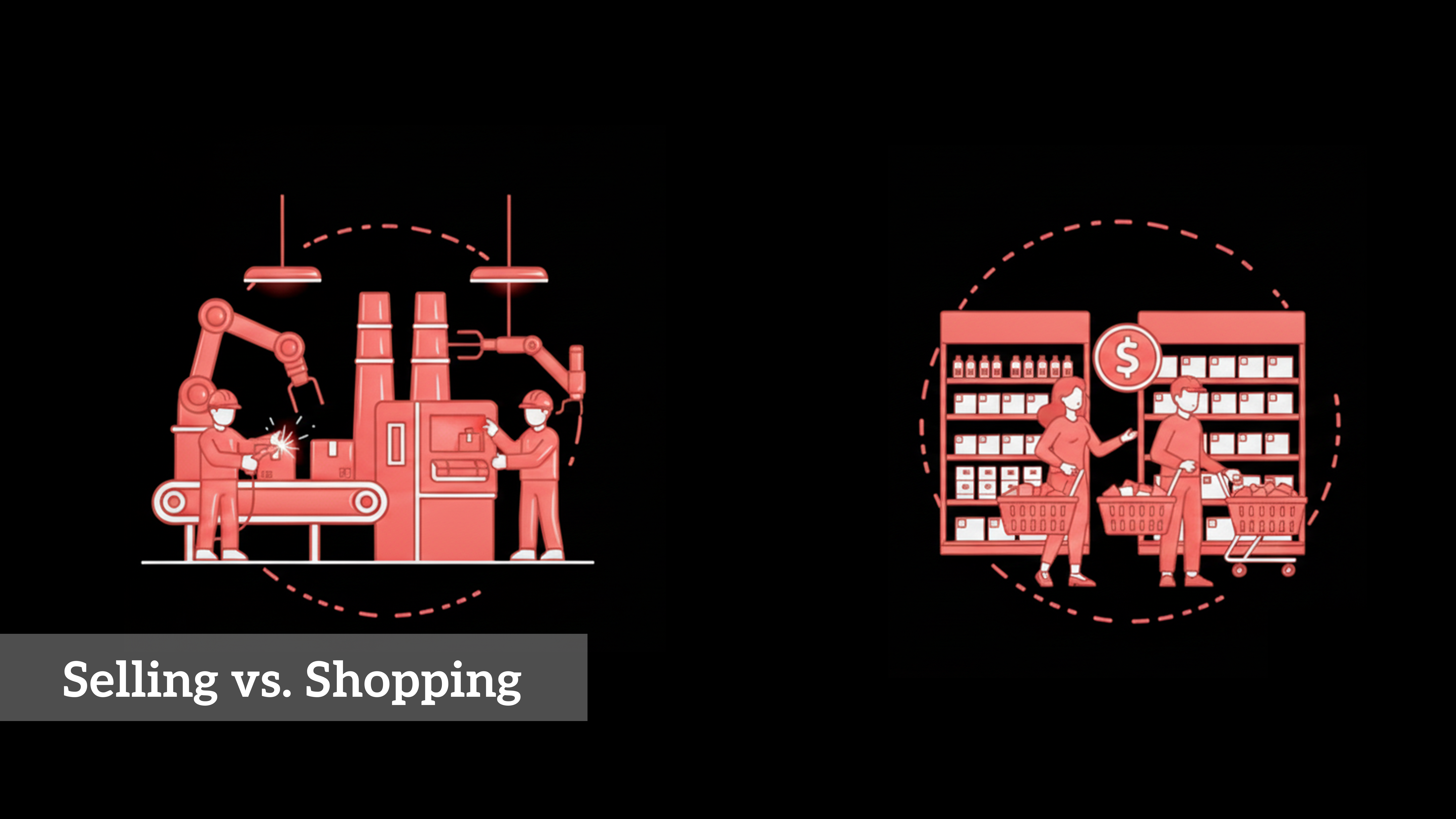
B2B marketing and B2C marketing are two different ballgames.
When you’re selling to consumers, you’re often casting a wide net. Take a makeup brand: your target might be women aged 18 to 40. That’s a huge audience you can reach with a shotgun approach on Instagram or Facebook. And the messaging? It’s all about romance. “A consumer wants to be romanced. They want to be danced with, and they’ll take the time for that,” says Cyndi Masters. In other words, you’re wooing a customer who’s ready to shop on impulse.
Now switch to B2B. If you sell a million-dollar industrial machine, your pool of potential buyers is tiny. These purchases are high-dollar and always an investment, never just an expense.
No one is buying on a whim. They’re solving a specific problem, and that machine is going to be used for decades, so they research like crazy. In fact, there are often multiple stakeholders involved in the decision.
Stat: The typical B2B buying group involves 6 to 10 decision-makers. Source: Gartner
B2B buyers aren’t swayed by the same flashy ads that pull in consumers looking for a quick fix. They need eight or more touchpoints of value and education before trusting you with a sale. That’s why you should focus on organic strategies for B2B. Put out content that educates, be a thought leader, and prove you’re the answer when they’re doing their homework. Paid ads play a supporting role, not the star.
Consumers are shopping. Businesses are investing. B2C is about sparking desire in the moment. B2B is about building trust over time.
Related Insights

Blogs
Blogs
Blogs